
New Products
By the time you read this, Digium will have three new Asterisk-based solutions for your telephony-based enjoyment. The first of these is Digium's TDM800P, an eight-port analog telephony interface card with Digium's VoiceBus technology, which is built on a single PCI bracket for universal PCI compatibility. Together with Digium's Asterisk software and a standard PC or server, users can create an inexpensive and scalable telephony solution comparable to a high-end PBX platform. The second item is the TE120P, a single span, selectable T1 (24-channel), E1 (32-channel), or J1 (24-channel) card that routes voice and data simultaneously, eliminating the need for an external router. The TE120P also delivers PBX and IVR services including voice mail, call conferencing, three-way calling and VoIP gateways. Last but not least is the software-based, G.168-compliant High Performance Echo Canceller (HPEC) for 32-bit and 64-bit Linux platforms. The HPEC provides echo cancellation for configurable tail lengths of 16ms (128 taps), 32ms (256 taps), 64ms

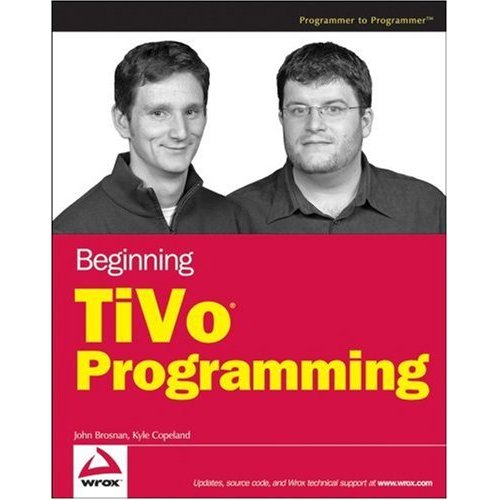
To the delight of hackers far and near, TiVo made it possible to create applications for its popular digital video recorder (DVR) product. Beginning TiVo Programming by John Brosnan and Kyle Copeland is targeted at programmers who want to gain a “complete understanding of all the pieces that make up a TiVo application”. The book uses real-life code examples to guide the reader through the steps needed to implement an application. The team of Brosnan and Copeland designed its own application for HME, which is the code name for TiVo's powerful new open platform for applications. The latest SDK for HME can be found at tivohme.sourceforge.net.
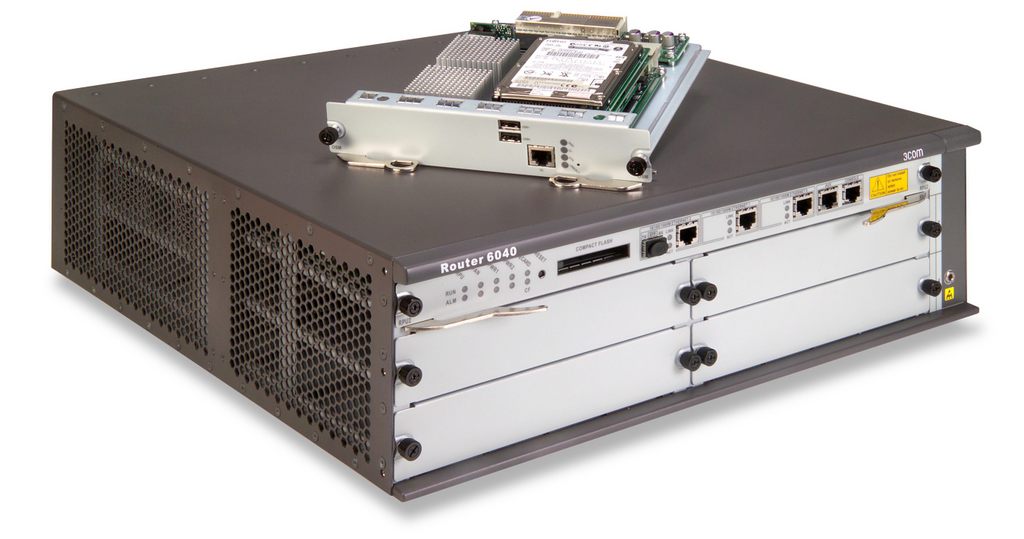
Doc Searls' and the Linux Community's call for open architectures all over is gaining nice momentum. A case in point is 3Com's Open Services Networking (OSN) Platform, the firm's strategy to base its network solutions on an open, interoperable, multivendor architecture. The idea is to “let organizations, rather than their networking vendors, select the applications that best match business requirements and implement them with timeliness and efficiency”, say the 3Com-ers. Lucky for us, a key component of OSN is the Open Source Service Monitoring bundle, which leverages a number of pretested and supported open-source-based network and service management applications, such as MRTG, NTOP, TShark and Nagios. The open-source bundle is currently available for download from 3Com's Web site.
The mellifluously named firm Fluendo of Spain recently released proprietary codecs for Windows Media Player (audio, video, MMS streaming protocol), MPEG-2 and MPEG-4 for the Linux and Solaris desktop and server platforms. Fluendo says that “agreements with Microsoft and MPEG LA” take the solution out of the legal limbo in which other codecs are entangled. Fluendo's codecs are closely integrated with the GStreamer multimedia framework, supporting applications such as Totem, Elisa, Jokosher, Rhythmbox and Banshee. Fluendo will release further codecs during 2007; existing codecs are available for purchase from Fluendo's Web site.

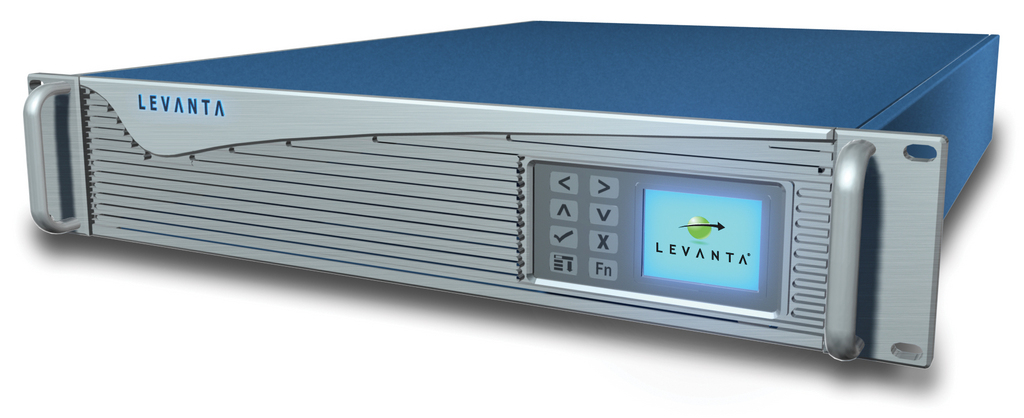
The Levanta folks recently launched a new Linux management appliance, called Intrepid X. Targeted at “large Linux departments and data centers with high scalability and mission criticality requirements”, Intrepid X offers “on-demand functionality, disaster recovery, system portability, complete change control, unattended active/passive fail-over and interoperability with iSCSI or Fibre-Channel SANs for RPM-based Linux environments”. Levanta says that customers who already preside over virtual storage and want to leverage their SANs to get the increased speed, portability, manageability and disaster recovery advantages found in Linux will benefit. The Intrepid X can be paired with different types of SAN storage, including products from EMC, HDS, IBM and others. In addition, one can manage Linux running in VMware virtual machines, as well as both physical and virtual environments from one interface.
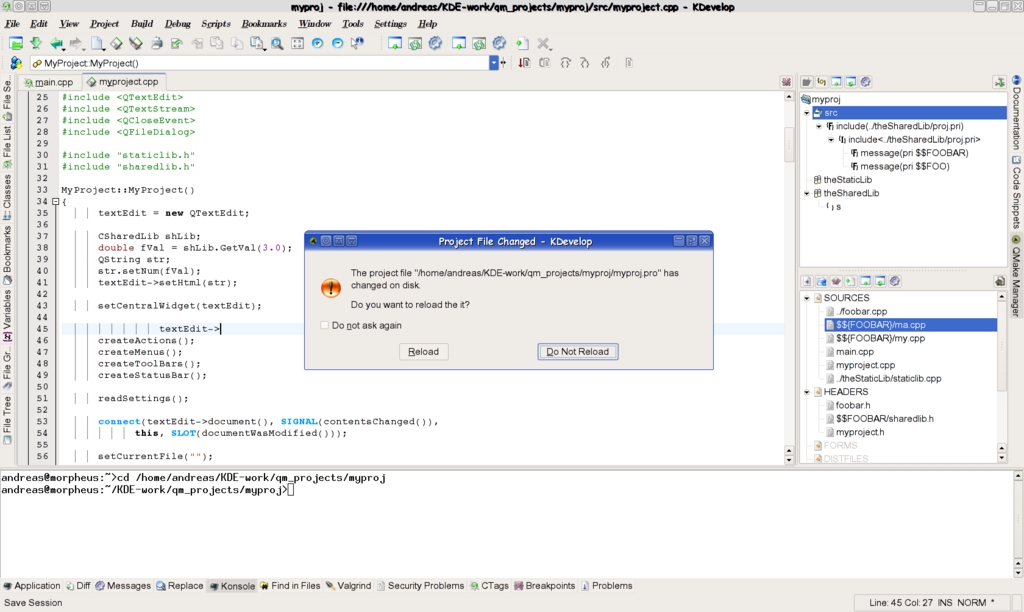
The ambitious KDevelopment Team has released version 3.4 of KDevelop, a powerful, language-independent, user-friendly integrated development environment—that's not just for programming KDE apps. Version 3.4 is the first new release in more than a year, closing more than 500 bugs and adding several new features. New features include improved Qt 4 support, new debugging capabilities, an enhanced default user interface layout, improvements for C++, and Ruby and PHP support. Official KDevelop packages are available for Kubuntu and OpenSUSE; unofficial builds also are available for other distros. One of our fellow Linux media outlets recently called KDevelop one of the top “killer apps” on the Linux platform.
Although many Web hosting companies let you choose whether to host your Web site on Linux or Windows, Netfirms says it's the first to unite the two platforms under the umbrella of a single account. With its Business and Enterprise lines of hosting accounts, Netfirms has Windows-based applications executed natively on a Windows Server 2003 grid and Linux-based applications natively on a Linux server grid. “The two platforms are unified through proprietary clustered technology”, says Netfirms, “allowing customers to manage both transparently through a single account”. The Netfirms multiplatform server technology offers Windows-based functionality via the Microsoft Hosting Partner Program, including ASP.NET, Classic ASP and Microsoft SQL Server. On the Linux side, the full LAMP stack (Linux, Apache, MySQL and PHP) is available. The two lines encompass a wide range of hosting options depending on the client's needs.

Please send information about releases of Linux-related products to James Gray at newproducts@linuxjournal.com or New Products c/o Linux Journal, 1752 NW Market Street, #200, Seattle, WA 98107. Submissions are edited for length and content.
