
EOF - The Hardware Hacking Behind the Software Radio

 in
You can turn an old radio into a new Linux-based appliance that can catch a diverse collection of shows that would never get on the air in your hometown. The project needs both hardware and software work, but Linux ties it all together. Get all the details on page 60.
Rotary Encoder

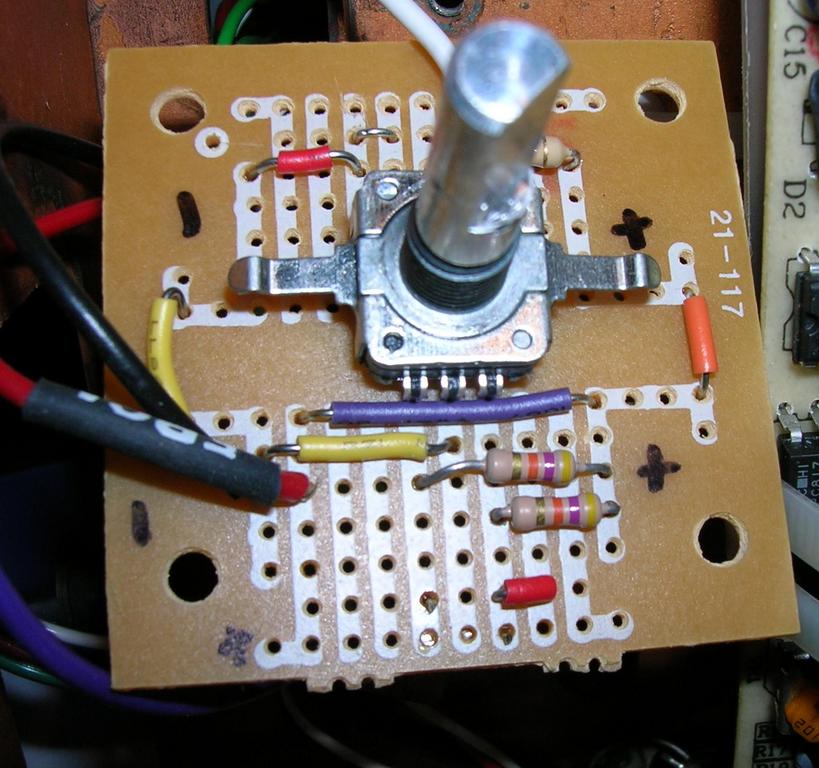
A rotary encoder is a digital input device used to measure angular rotation and direction. It does this by sending two out-of-phase pulse trains. Direction is determined by which pulse arrives first. The pulses then can be counted to determine magnitude of rotation. There are many manufacturers and grades of rotary encoders. We used a unit by Bourns, part number PEC11-4225F-S0024. See the Radii home page for details on how to interface this encoder with a PIC.
Shopping for an LCD

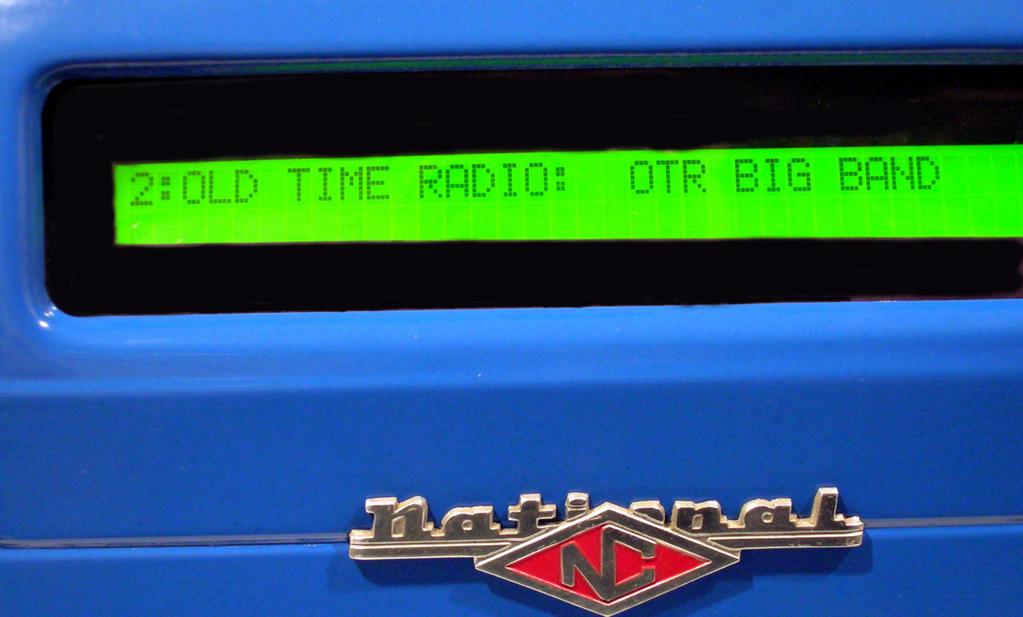
When shopping for an LCD, first make sure it is HD44780-compatible. This is the most widely supported interface; anything else could slow down your efforts. The backlight type for the display is also important. Electro Luminescence—think Timex Indiglo—looks great but has unusual power requirements. The fastest and easiest way to go for backlighting is to use an LED backlit display. An LED backlight generally requires standard 5 VDC power. When shopping for an LCD with backlight, be sure to verify the type of backlight before bidding/buying.
Interfacing a PIC to RS-232

The PIC interface levels are TTL-level outputs (that's transistor-transistor logic). With TTL, about 5V is on and about 0V is off. Interfacing this to RS-232/serial port (12V on/0V off) requires the use of a TI MAX232 dual-driver/receiver chip and a handful of resistors/capacitors. The chip does most of the work for you, but some assembly is required for the interface board and the serial cable used.

______________________

Webcast
How to Build an Optimal Hadoop Cluster to Store and Maintain Unlimited Amounts of Data Using Microservers

Realizing the promise of Apache® Hadoop® requires the effective deployment of compute, memory, storage and networking to achieve optimal results. With its flexibility and multitude of options, it is easy to over or under provision the server infrastructure, resulting in poor performance and high TCO. Join us for an in depth, technical discussion with industry experts from leading Hadoop and server companies who will provide insights into the key considerations for designing and deploying an optimal Hadoop cluster.

Learn More

Sponsored by AMD

White Paper
Private PaaS for the Agile Enterprise

If you already use virtualized infrastructure, you are well on your way to leveraging the power of the cloud. Virtualization offers the promise of limitless resources, but how do you manage that scalability when your DevOps team doesn’t scale? In today’s hypercompetitive markets, fast results can make a difference between leading the pack vs. obsolescence. Organizations need more benefits from cloud computing than just raw resources. They need agility, flexibility, convenience, ROI, and control.

Stackato private Platform-as-a-Service technology from ActiveState extends your private cloud infrastructure by creating a private PaaS to provide on-demand availability, flexibility, control, and ultimately, faster time-to-market for your enterprise.

Learn More

Sponsored by ActiveState