New Products
Cluster gurus rejoice! The OSCAR working group recently released version 5.0 of its Open Source Cluster Application Resources (OSCAR) toolkit. OSCAR is a software package that “supports the use of high-performance computing by reducing the work of cluster configuration, installation, operation and management.” OSCAR's developers have revamped the application's infrastructure and included many new features, such as smart package managers, yum-based package installs and image building, easier client updating via a new repository approach and optimized startups to reduce build times. A new utility called netbootmgr has been added, which “greatly reduces the amount of time spent mucking about in the BIOS by centrally managing a nodes behavior when a network boot is detected”. In preparation for future releases, a new package and database structure has been designed in anticipation of Debian support. OSCAR 5.0 also has been fully tested for use with both IA32 processors and x86_64 processors under several major Linux distros. OSCAR is available for download from the group's Web site.

Got Postfix? Then Message Partners wants you to use its MPPv3, the company's integrated pre- and post-queue spam filter for Postfix. Message Partners claims that MPP “solves all of the problems that complex e-mail environments run into in a single high-performance application”, including solutions for virus and spam filtering, content filtering, access-controls, end-user quarantine and white/black list management, archiving and other features. A key new feature is the Postfix Policy Server, which adds the “capability to make pre-queue admission decisions for every type of e-mail (including multirecipient and multidomain).” Message Partners also touts its innovative sharing of a common database and configuration by the pre-queue and post-queue filters, which improves management of per-domain SMTP restrictions in large environments. A free trial is available at the company's Web site.

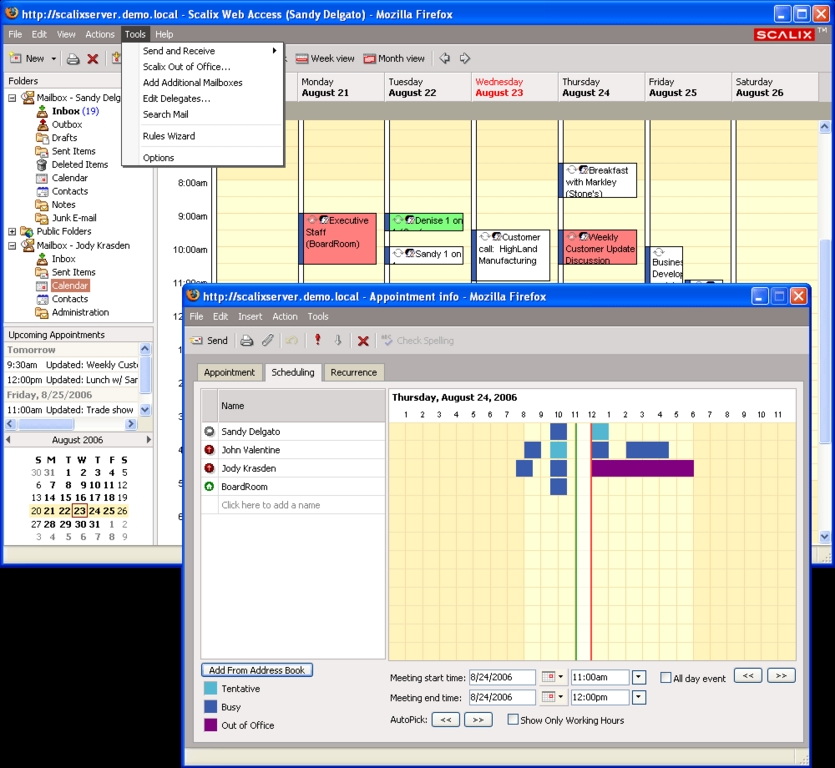
Our contacts at Scalix Corporation informed us about Scalix 11, the company's Linux-based, open-source supported messaging, e-mail and calendaring platform. Some of Scalix's main features include easy administration, “deep integration with legacy environments” and Outlook-level functionality without the costs and license lock-in of MS Exchange. Scalix's target customers are those requiring the “product integrity of an enterprise platform with the community support of an open-source project”. New features include two new Web services, a lightweight mobile client, enhanced management capabilities, and improved Web client and Outlook support. Vis-á-vis the new Microsoft Exchange Server 2007, Scalix claims advantages, such as “vendor choice, better administration and broader client selection while maintaining the best Outlook support in the market”. A trial of the commercial edition and a free community edition are available for download from Scalix's Web site.
Virtualization is dynamic these days, and VMLogix adds to the fabulous ferment with LabManager, the company's virtualization solution centered on the software development life cycle. LabManager, says VMLogix, offers “rapid, highly repeatable, resource-optimized deployments of complex, multimachine software test environments” that allow developers to reduce cycle times and infrastructure costs, share resources seamlessly and improve the quality of the final product. LabManager's approach enables users to exchange development environments with each other regardless of time, location or project status. Other product advantages include platform agnosticism, physical- and virtual-machine capabilities and compatibility with most testing and development tools. Free evaluation licenses and downloads of LabManager are available at VMLogix's Web site.

It's always a treat to buzz over to No Starch and see the latest goodies for geeks. If you visit No Starch now, you'll find Peter Goodliffe's brand-new book Code Craft: The Practice of Writing Excellent Code. The book's purpose is to take the programmer to a new level, from writing correct code to writing great code that is easy to understand. Code Craft is language-agnostic and covers not only issues such as presentation style, variable naming, error handling and security, but also effective teamwork, development processes and documentation. A free sample chapter is available at No Starch Press' Web site.

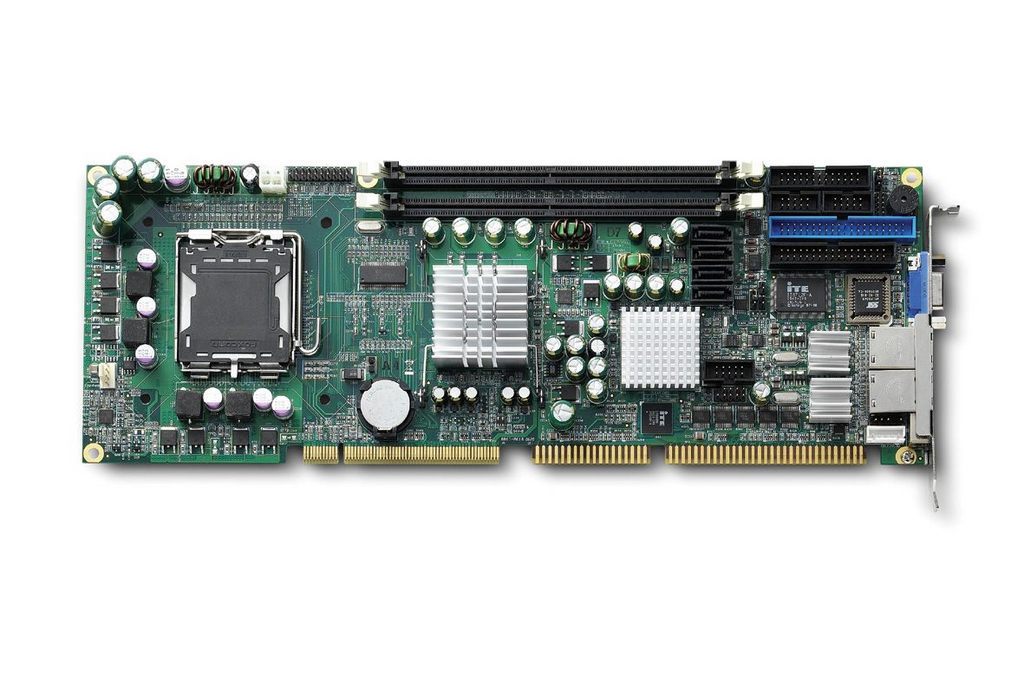
ADLINK Technology just brought forth a new full-sized, single-board computer, the NuPRO-851 Series. The NuPRO-851 Series is a PICMG 1.0 device that supports 800MHz FSB with a hyper-threading Intel Pentium 4 (LGA775) processor, dual-channel DDR2 memory at speeds of 400/533MHz and an Intel GMA900 graphics core architecture providing up to 2048x1536 resolution with 8.5GB/s peak memory bandwidth. The product also features the Intel 915GV and ICH6 chipsets, USB 2.0 connectivity and two on-board Marvell 88E8052 controllers that support dual-gigabit Ethernet ports via the PCIe bus. ADLINK says the product is “ideal for industrial controllers and equipment providers”, because it places heavy emphasis on longevity, reliability and strict revision control. This and all other ADLINK products comply with the European Union's RoHS directive on environmentally sound products.
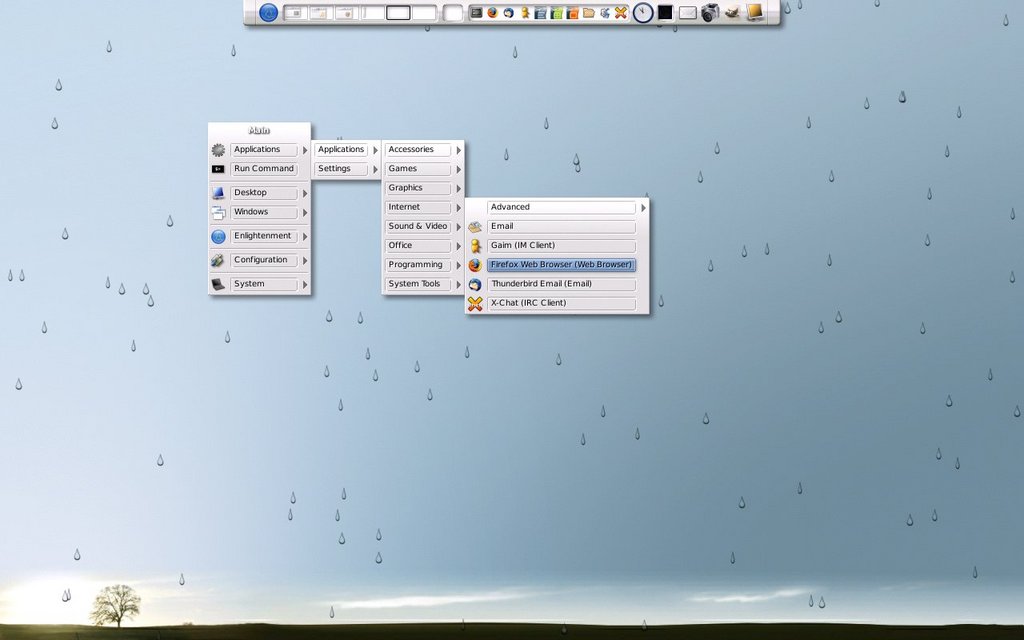
Linux people simply rock, don't they? A case in point is Terra Soft, which has ported its Yellow Dog Linux (YDL) v5.0 to the PlayStation 3 (PS3) from Sony. Hopefully by the time you read this, you can finally get your hands on a PS3, because we can't! With Sony's blessing and support from the Barcelona Supercomputing Center, YDL is a full Linux OS for PS3, which is based on Fedora Core 5 and comes complete with more than 1,500 packages. In this project, Terra Soft also collaborated with Carsten Haitzler and the Enlightenment development team to integrate the E17 desktop, which the firm says will provide “an unprecedented level of function and interface aesthetic”. Install and source ISOs for YDL are available for download; DVDs are available for purchase from the Terra Soft's on-line store.
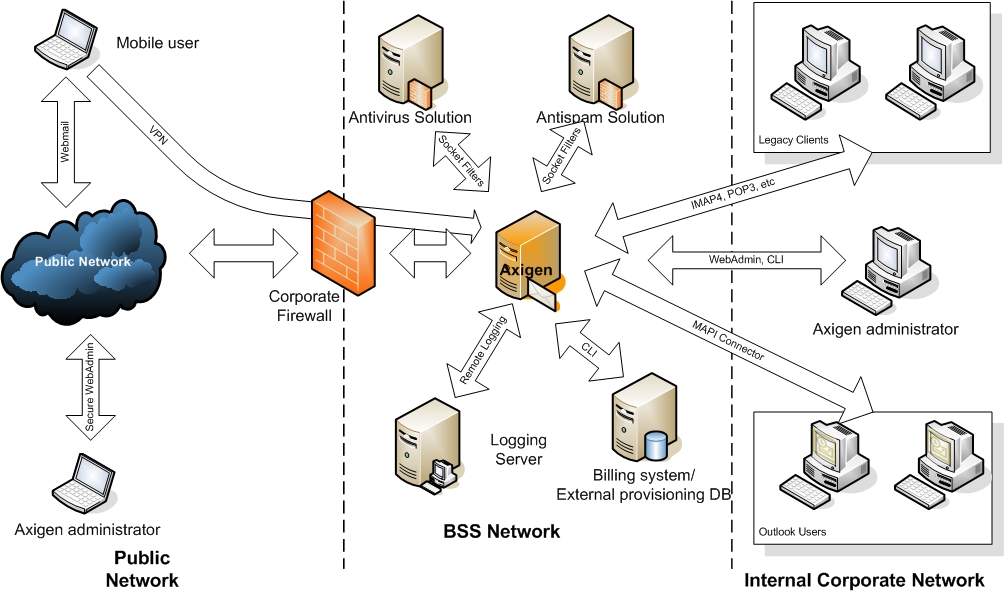
Just when you thought that the dizzying array of options for mail servers couldn't get more dazzling, AXIGEN releases version 2.0 of its Mail Server product. The package provides “all-in-one server functionalities, ranging from e-mail communication to anti-virus and anti-spam integration.” In the new edition, AXIGEN has added many features, including a backup and restore module, a full-security toolbox that integrates 16 anti-virus and anti-spam applications, localized and skinable Web mail, a reporting engine for more than 100 definable reports, a wizard for creating e-mail delivery rules and others. The Mail Server is currently available in both the English and German languages and runs on major Linux distributions. An evaluation edition is available at AXIGEN's Web site.