New Products
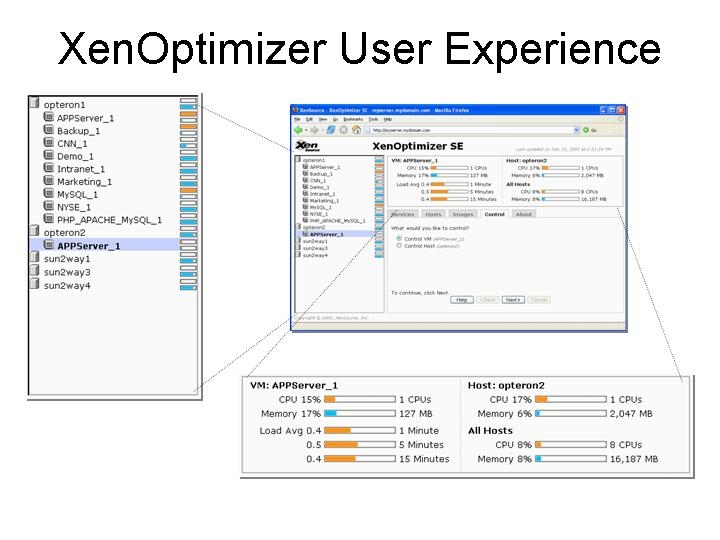
If we're talking new products, we must have a virtualization item in there somewhere. XenSource is announcing the release of XenOptimizer in beta form, with the product to follow in early 2006. It is also releasing the 3.0 version of the underlying Xen technology. According to XenSource, XenOptimizer offers production-grade capabilities, superior performance and lowers the total cost of ownership for a data center. Administrators can provision virtual servers using a simple drag-and-drop GUI dashboard. This has been your moment of Xen.
Stratus Technologies has announced that its über-reliable ftServer T60 will be the first piece of Stratus hardware to support Linux, specifically Red Hat Enterprise Linux. This will add, for the first time, a Linux distribution to the Stratus product offerings, which already include Windows and the proprietary Stratus VOS operating system.
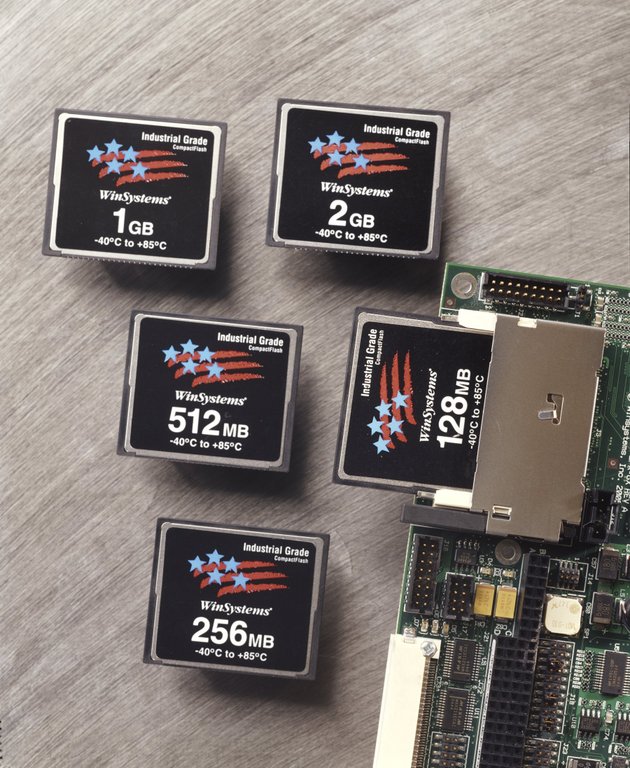
The heart of any embedded Linux application is usually a CompactFlash (CF) card. Unfortunately, not all of them live in 72°F living rooms. WinSystems has released a series of CF cards designed to work from a bone-chilling –40°C to a blazing 85°C. These cards, available in sizes ranging from 128MB up to 2GB, are engineered for reliable performance and long lifetimes, without sacrificing speed.
Your open-source PBX just got an IQ upgrade. Digium has released the first major revision of the open-source Asterisk PBX Project since September 2004. Asterisk 1.2 includes more than 3,000 new or improved features, such as improved voice mail, SIP protocol support and the use of sound files for music on hold.
Get out your SQL queries and spiff up your inserts. The PostgreSQL Global Development Group has released PostgreSQL 8.1. In addition to the usual performance improvements and bug fixes, the 8.1 release adds roles, which allow database rights to be assigned to entire groups rather than to individuals, and the ever-popular two-phase commit (which, as we all know, “allows ACID-compliant transactions across widely separated servers”).
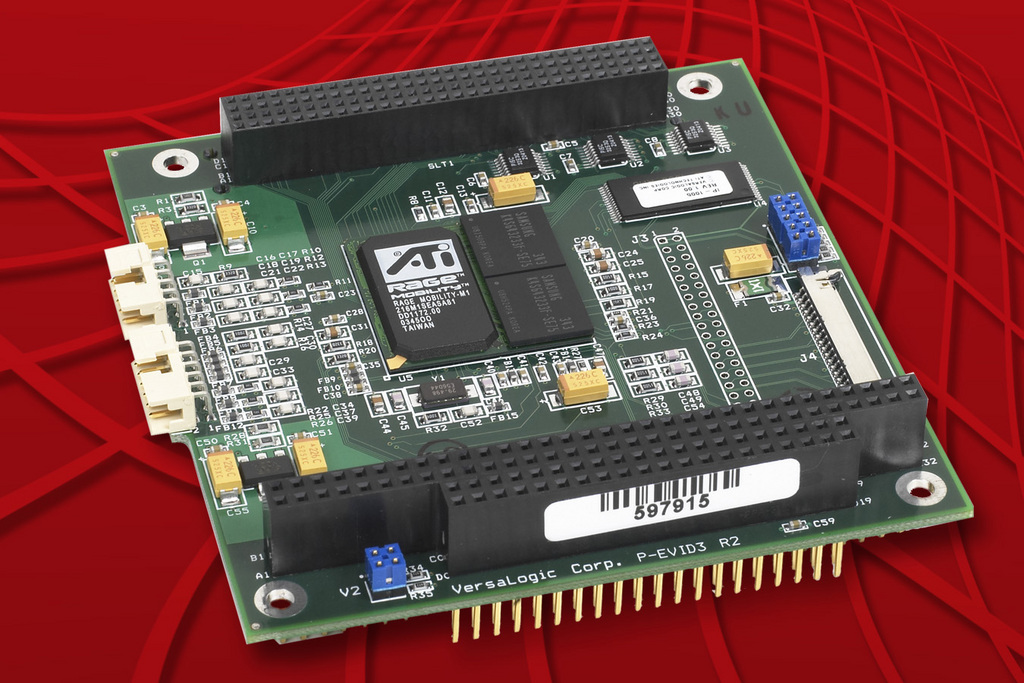
Just because you're trying to package your embedded Linux application onto one of those tiny PC/104 cards doesn't mean you can't have cranking video performance. With only 8MB of RAM, you won't be using VersaLogic Corp.'s EPM-VID-3 to play Silent Hill, but the ATI Rage Mobility M1-based add-on card is just the thing for applications that require up to three heads running at up to 1600x1200 at 24 bits. With built-in hardware MPEG decoding, it'll let you stream your video without taxing those underpowered embedded processors.