
New Products
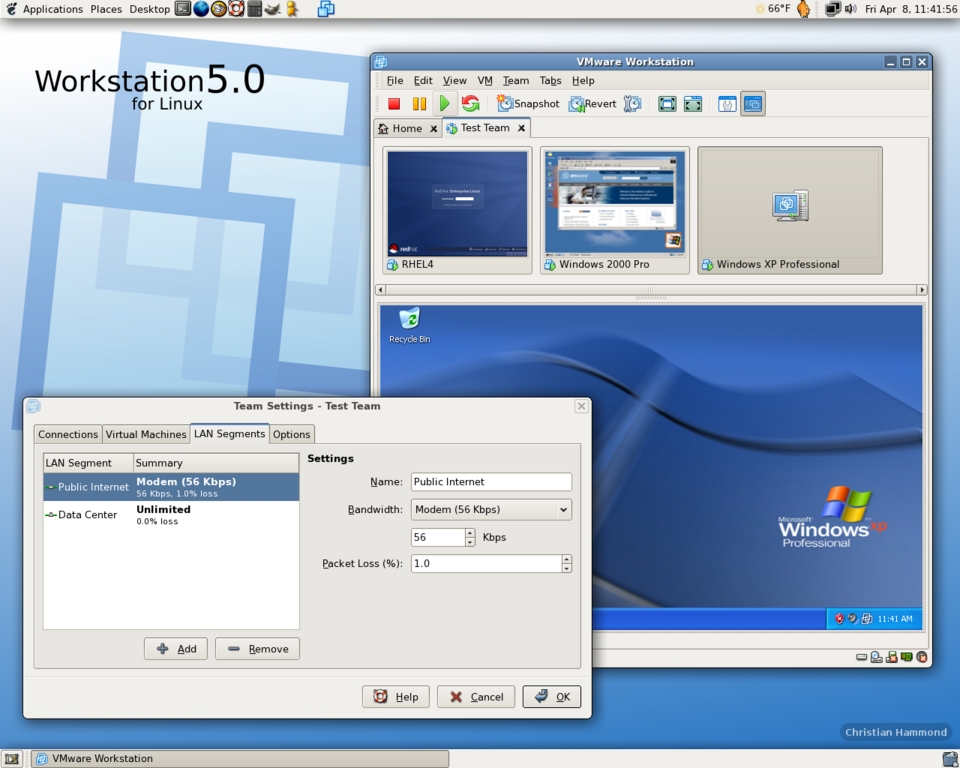
Virtualizers, rejoice! VMware has released version 5.5 of their popular VMware Workstation product. The new 64-bit guest support means that you can run either 32-bit or 64-bit versions of Linux, FreeBSD or Windows on a 64-bit host system, and additional import support lets developers load Symantec Ghost images as VMware virtual machines. The cost is $189 US for electronic download.
Novell has taken the wraps off the latest version of SUSE Linux. Version 10 is the first release to take advantage of Novell's new OpenSUSE initiative. OpenSUSE is Novell's answer to Fedora, letting community members contribute features and fixes to the SUSE Linux offering. Version 10 includes the latest versions of Firefox, OpenOffice.org and improved Windows integration, as well as new features such as Xen virtualization and iFolder. Available for $59 US.
www.novell.com/products/linuxprofessional/resellers/index.html

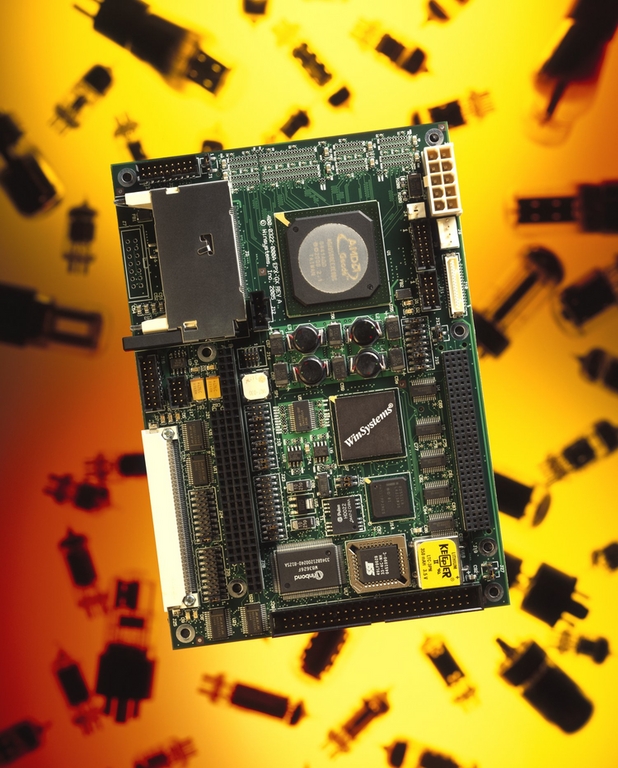
WinSystems' new EPX-GX single-board computer offers a diversity of interface options for developers working on machine-to-machine applications. Based on an AMD GX500@1W processor, it draws a miserly 1.8 A at five volts, but still manages to sport a cornucopia of options, including 10/100 Ethernet, 802.11 support via a miniPCI connector, two USB ports, four comm ports, 24 digital I/O lines, audio, 4x AGP video, keyboard and mouse. Intended for use in applications such as robotics, transportation and other uses requiring a lower-power embedded device, it is compatible with the EPIC standard and is available for $499 US in OEM quantities.
Realizing the promise of Apache® Hadoop® requires the effective deployment of compute, memory, storage and networking to achieve optimal results. With its flexibility and multitude of options, it is easy to over or under provision the server infrastructure, resulting in poor performance and high TCO. Join us for an in depth, technical discussion with industry experts from leading Hadoop and server companies who will provide insights into the key considerations for designing and deploying an optimal Hadoop cluster.
Sponsored by AMD
Built-in forensics, incident response, and security with Red Hat Enterprise Linux 6
Every security policy provides guidance and requirements for ensuring adequate protection of information and data, as well as high-level technical and administrative security requirements for a system in a given environment. Traditionally, providing security for a system focuses on the confidentiality of the information on it. However, protecting the data integrity and system and data availability is just as important. For example, when processing United States intelligence information, there are three attributes that require protection: confidentiality, integrity, and availability.
Learn more about catching the bad guy in this free white paper.
Sponsored by DLT Solutions
| Designing Electronics with Linux | May 22, 2013 |
| Dynamic DNS—an Object Lesson in Problem Solving | May 21, 2013 |
| Using Salt Stack and Vagrant for Drupal Development | May 20, 2013 |
| Making Linux and Android Get Along (It's Not as Hard as It Sounds) | May 16, 2013 |
| Drupal Is a Framework: Why Everyone Needs to Understand This | May 15, 2013 |
| Home, My Backup Data Center | May 13, 2013 |
- Designing Electronics with Linux
- Making Linux and Android Get Along (It's Not as Hard as It Sounds)
- Dynamic DNS—an Object Lesson in Problem Solving
- Using Salt Stack and Vagrant for Drupal Development
- New Products
- Build a Skype Server for Your Home Phone System
- Validate an E-Mail Address with PHP, the Right Way
- A Topic for Discussion - Open Source Feature-Richness?
- Why Python?
- Tech Tip: Really Simple HTTP Server with Python
Enter to Win an Adafruit Pi Cobbler Breakout Kit for Raspberry Pi

It's Raspberry Pi month at Linux Journal. Each week in May, Adafruit will be giving away a Pi-related prize to a lucky, randomly drawn LJ reader. Winners will be announced weekly.
Fill out the fields below to enter to win this week's prize-- a Pi Cobbler Breakout Kit for Raspberry Pi.
Congratulations to our winners so far:
- 5-8-13, Pi Starter Pack: Jack Davis
- 5-15-13, Pi Model B 512MB RAM: Patrick Dunn
- 5-21-13, Prototyping Pi Plate Kit: Philip Kirby
- Next winner announced on 5-27-13!
Free Webinar: Hadoop
How to Build an Optimal Hadoop Cluster to Store and Maintain Unlimited Amounts of Data Using Microservers
Realizing the promise of Apache® Hadoop® requires the effective deployment of compute, memory, storage and networking to achieve optimal results. With its flexibility and multitude of options, it is easy to over or under provision the server infrastructure, resulting in poor performance and high TCO. Join us for an in depth, technical discussion with industry experts from leading Hadoop and server companies who will provide insights into the key considerations for designing and deploying an optimal Hadoop cluster.
Some of key questions to be discussed are:
- What is the “typical” Hadoop cluster and what should be installed on the different machine types?
- Why should you consider the typical workload patterns when making your hardware decisions?
- Are all microservers created equal for Hadoop deployments?
- How do I plan for expansion if I require more compute, memory, storage or networking?


2 hours 2 min ago
2 hours 10 min ago
4 hours 25 min ago
6 hours 55 min ago
16 hours 57 min ago
21 hours 24 min ago
1 day 1 hour ago
1 day 1 hour ago
1 day 3 hours ago
1 day 3 hours ago