
EOF - The Hardware Hacking Behind the Software Radio
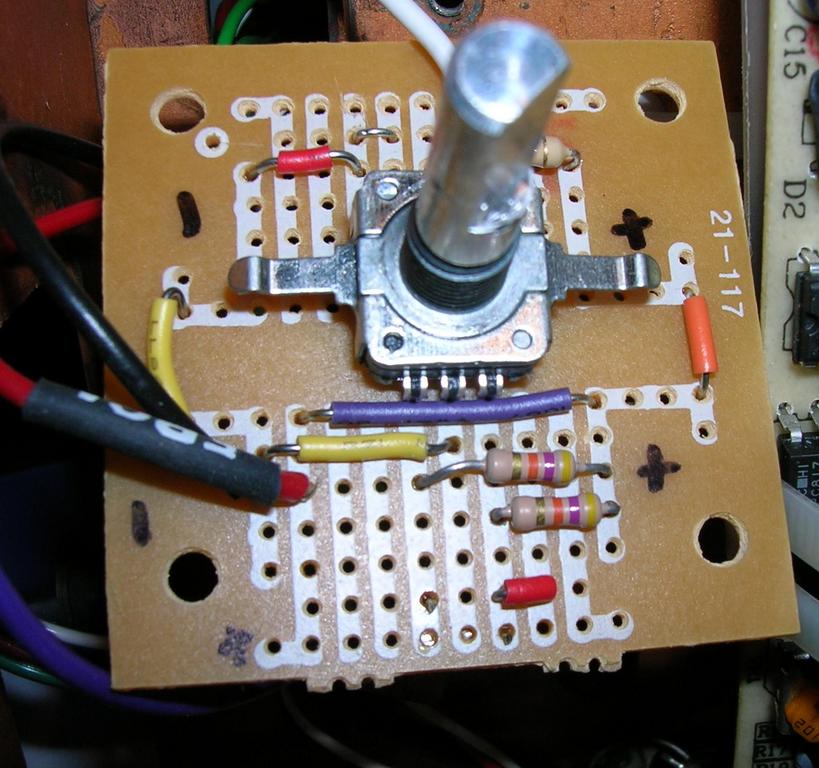
A rotary encoder is a digital input device used to measure angular rotation and direction. It does this by sending two out-of-phase pulse trains. Direction is determined by which pulse arrives first. The pulses then can be counted to determine magnitude of rotation. There are many manufacturers and grades of rotary encoders. We used a unit by Bourns, part number PEC11-4225F-S0024. See the Radii home page for details on how to interface this encoder with a PIC.
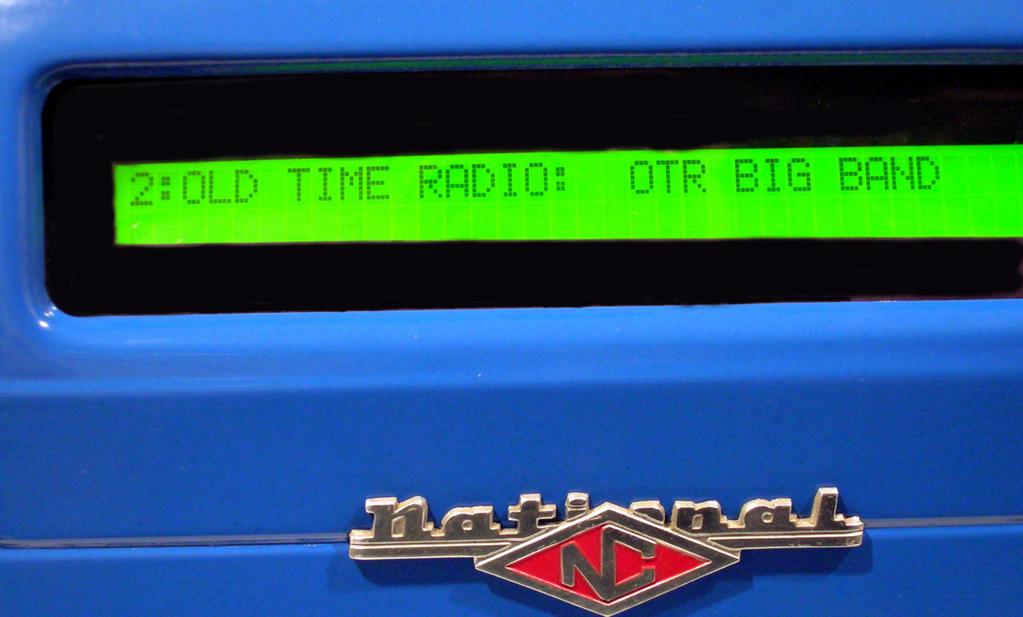
When shopping for an LCD, first make sure it is HD44780-compatible. This is the most widely supported interface; anything else could slow down your efforts. The backlight type for the display is also important. Electro Luminescence—think Timex Indiglo—looks great but has unusual power requirements. The fastest and easiest way to go for backlighting is to use an LED backlit display. An LED backlight generally requires standard 5 VDC power. When shopping for an LCD with backlight, be sure to verify the type of backlight before bidding/buying.
The PIC interface levels are TTL-level outputs (that's transistor-transistor logic). With TTL, about 5V is on and about 0V is off. Interfacing this to RS-232/serial port (12V on/0V off) requires the use of a TI MAX232 dual-driver/receiver chip and a handful of resistors/capacitors. The chip does most of the work for you, but some assembly is required for the interface board and the serial cable used.


