
High Seas Adventure
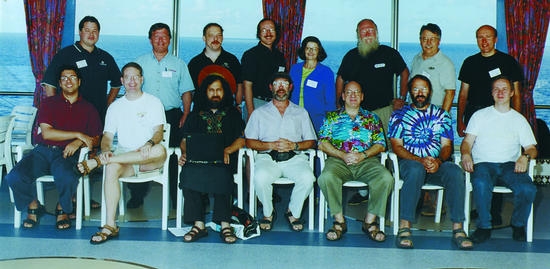
The Caribbean's a great place to get geeky if you can keep the sand out of your laptop. Of the many cruises organized by Geek Cruises, this was the first one devoted to Linux. Linux Journal had the opportunity of cosponsorship, and it's something we look forward to repeating next year.
Besides being treated to intimate sessions and abundant chances for one-on-ones with some of the most prominent names in the Linux community, for us the cruise was a chance to get to know many of our readers (and even some of their families).
The geek sessions were balanced very well with time off in some fabulous ports of call—well, except Puerto Rico. But even there, Geek Cruise organizer, “Captain” Neil Bauman, arranged a special excursion for geek cruisers to see the home of the world's largest single-dish radio telescope, the Aricebo Observatory, where much of the movie Contact was filmed, and where scientists from around the world study things out of this world 24 hours a day, 365 days per year.
Of course we weren't so lucky in choosing the lunch restaurant that day. It was a buffet that ran out of food after half of us had made it through the line. Fortunately, the entertainment value of seeing Richard Stallman spill his soda (accidentally of course) on the world's largest baby who was sleeping in his playpen near the cash register was some compensation for my hunger. I couldn't help but laugh internally—the irony was too much, but I actually felt more sorry for Richard than the baby; he felt so badly about it. In some cosmic form of retribution my own two-year-old daughter spilled her soda (same flavor as Richard's) all over my lap, leaving me looking as if the excitement of the observatory was too much.
In contrast to Puerto Rico, the other ports of call were absolute representations of paradise. At our last stop, Holland-America's private island, Half Moon Cay, I rented a Sunfish sailboat with my eight-year-old daughter, Geneviéve. We sailed to the end of the bay and still could see straight to the ocean floor. For someone used to sailing the dark water of Washington's Puget Sound, it was a unique experience.
Next year's Linux Lunacy cruise is rumored to be planned for the Pacific, down Mexico way. Bring your sense of humor, your goodwill and join us!
Richard Vernon is editor in chief of Linux Journal.

